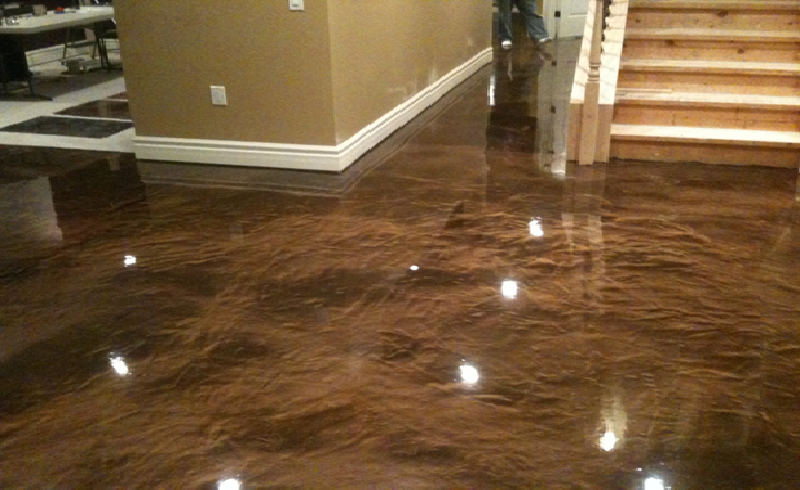
Common Types of Epoxy Floor Coatings
Epoxy flooring is one of the most common types of flooring material you will find in the flooring market. It is one of the most versatile and durable flooring options available to homeowners today. Epoxy flooring comes in a variety of colours and textures, so you can easily find something that matches your home or business decor.
In addition, it can be easily customized to match the look and feel of almost any room in your house. If you’re looking for something with a vintage vibe or rustic appeal, epoxy flooring is a great choice for you!
If you’re thinking about installing epoxy flooring in Sydney, contact Stonehard Epoxy Flooring Service or give us a call on (02) 8806 3794.
What is epoxy flooring?
Epoxy flooring is a type of coating made up of two parts: a resin and a hardener that can be used on almost any kind of surface. The resin is the sticky part that will attach to whatever you’re coating, and the hardener is what makes it harden into a durable finish.
Epoxy coatings can be used for walls and ceilings as well as floors, it is very durable and waterproof, making it a great solution for your bathroom or kitchen. You can even use it to cover up an old tile job!
Types of epoxy flooring
There are many different styles of epoxy coating, and each style is made to meet a different need.
Because it has so many benefits, epoxy flooring is a great choice for a wide range of commercial uses, in manufacturing, industrial, food processing, healthcare, and other fields.
Here is a list of the different kinds of epoxy coatings and the most common uses for each.
1. Self-dispersing
A self-dispersing epoxy flooring has a very high tensile strength. It can be mixed with quartz sand, which makes the material stronger. This kind of epoxy flooring is usually put in places where there is a lot of foot traffic and where forklifts and other types of heavy machinery are used. Businesses in the food, agriculture, and manufacturing industries often choose epoxy flooring that spreads on its own.
2. Self-levelling
Self-levelling epoxy flooring is a type of epoxy flooring that is easy to install and finish. It requires very little prep work, and it’s quick to apply.
The self-levelling portion of the name refers to how the product itself will level out uneven surfaces, so you don’t have to do any extra levelling work. This makes it ideal for DIY projects, or for contractors who don’t have time to do extra work before they can start installing the floor.
3. Mortar
The mortar type of epoxy flooring is an easily applied and durable coating that can be used on a variety of surfaces, including concrete, wood, or metal.
It is typically available in a wide range of colours and finishes, so it can be used to create a unique look that suits your home’s decor. When properly applied, this type of epoxy flooring should last for decades without any noticeable wear or damage.
4. Gravelled
Gravelled epoxy floors are typically made with a blend of gravel, sand, and resin. The properties of these materials make them ideal for use in building an epoxy floor.
Gravelled floors can be used indoors or outdoors and are often used as a patio floor or garage floor. One advantage to gravelled epoxy floors is that they have excellent traction due to their surface texture which provides good grip on shoes when walking on them.
5. ESD (Electrostatic Dissipating)
Static-free surroundings are of the utmost importance in some types of commercial settings. Epoxy flooring designed to prevent the build-up and dissipation of electrical charge is known as “ESD epoxy flooring.”
This type of flooring is a specifically formulated epoxy coating. This kind of flooring is frequently utilized in settings such as laboratories, hospitals, and manufacturing plants for electrical equipment and chemical supplies.
6. Vapor barrier
When you need to control moisture or stop vapor transfer completely, a vapor barrier epoxy coating is the best way to do it. This type of flooring is put down directly on concrete, and it can help reduce moisture levels by applying it before laying tiles, linoleum, or carpet. It’s kind of like a floor that floats.
7. Flaked floor coatings
It would be more accurate to call this a way to apply epoxy coatings instead of a certain type of epoxy flooring.
In this method for putting down epoxy flooring, colourful flakes or chips are sprinkled on top of the epoxy coating while it is still wet to give it a decorative finish or look.
What are the benefits of epoxy floor coatings?
Epoxy coatings are an excellent choice for many different reasons. They’re durable, they can be used on practically any surface, and they’re easy to apply.
Here are some of its advantages:
- The first advantage of epoxy floor coatings is that they’re extremely durable. Epoxy floor coatings can withstand heavy traffic from people and vehicles, as well as everyday wear and tear from spills, leaks, and weather conditions. These coatings are also resistant to scratches and stains.
- Another advantage of epoxy floor coatings is their versatility when it comes to application. Epoxy floor coatings can be applied over virtually any surface type, including concrete, wood, or masonry (such as brick or stone). They’re also easy to maintain and repair if necessary, which makes them perfect for commercial applications where durability is important but time-consuming maintenance is not an option.
- The third advantage of epoxy floor coatings is how easy and cost effective it is when it comes to applying them.
Conclusion
In conclusion, epoxy flooring is a great option for anyone looking to update their floors. They’re durable and easy to clean, so you can get the most out of your investment. If you’re looking for more information about epoxy floor coatings or any other home improvement project, we’d love to help! You can reach us on (02) 8806 3794 or visit us online at stonehard.com.au.